A Grid Built for Another Era: Modernizing Aging Power Infrastructure
Key Takeaways
- The core problem is age against demand. Transformers and transmission corridors installed in the 1960s and 70s are still carrying load that electric vehicles, data centers, and residential electrification have grown far beyond.
- Japan's difficulty is geography and fragmentation rather than scale. Dense cities, mountainous terrain, and a regionally split system make expansion harder than in the United States, not easier.
- Inspection is where modernization is landing first. Drones and wire-crawling robots have replaced helicopter patrols, and Gecko Robotics alone signed a $100 million deployment agreement in 2025.
- Imported grid hardware is now a security question. Undocumented cellular radios found in Chinese-made solar inverters and storage devices led the US and UK to ban certain components from critical infrastructure.
- The architectural answer is decentralization: rooftop solar, community batteries, and microgrids. Getting there requires bi-directional transformers, smart inverters, and new control systems, none of which are cheap.
A Grid Built for Another Era
The grids of the developed world are not failing because they were built badly. They are failing because they were built for a smaller, less electrified society, and that society no longer exists.
Across the developed world, energy grid infrastructure is being pushed to its operational limits. In countries like the United States and Japan, where the grid was largely constructed during the mid-20th century, utilities now face mounting challenges. The aging backbone of centralized electricity delivery systems, designed for a less demanding and less electrified society, is showing signs of strain. Rising energy consumption, increasingly erratic climate events, and emerging cyber threats have prompted both public concern and industry action.
The U.S. Grid: Vast, Aging, and Under Pressure
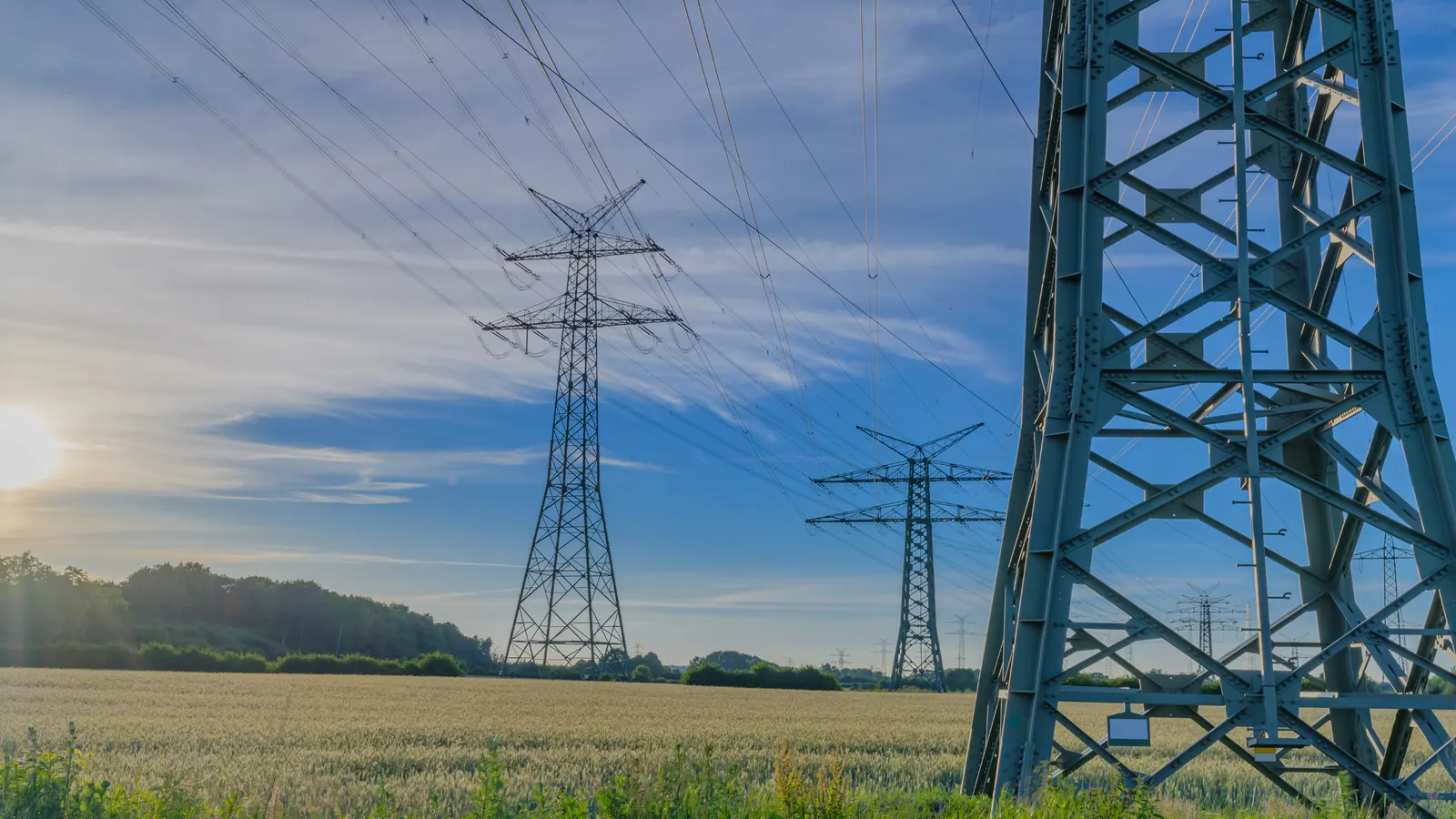
In the United States, the energy grid is divided into three major interconnections: the Eastern, Western, and the Texas ERCOT system. These interconnections span thousands of miles of high-voltage transmission lines, substations, and transformers. Many of these assets are well past their intended lifespans. Reports indicate that transformers installed in the 1960s and 70s are still in operation, posing significant risk of failure. At the same time, electricity demand has grown rapidly, fueled by the rise of electric vehicles, data centers, and widespread residential electrification. As the grid struggles to manage peak loads, especially during heat waves and cold snaps, regions across the country have experienced brownouts and full blackouts.
Japan's Grid: Disaster Resilience in a Fragmented System
Japan's grid, while smaller geographically, shares many of the same structural vulnerabilities. The country's energy infrastructure must contend with frequent natural disasters, including earthquakes, typhoons, and tsunamis. After the 2011 Tohoku earthquake and Fukushima nuclear disaster, Japan made strides to diversify its energy mix and reinforce its infrastructure. However, densely populated cities and mountainous terrain make both expansion and modernization uniquely difficult. The interconnected yet regionally fragmented system requires careful coordination and investment, especially as the nation ramps up its renewable energy ambitions.
Robotics and Drones: The New Frontline of Grid Maintenance
Inspection is the part of grid modernization already paying for itself. Drones and wire-crawling robots do the work helicopters and climbing crews used to do, at lower cost and lower risk, and they can do it often enough to catch faults before they become outages.
To meet the growing demands of modern energy consumption while maintaining reliability, utilities have begun deploying advanced maintenance technologies. Aerial drones equipped with high-resolution and thermal imaging cameras now fly routine missions along transmission corridors, identifying overheating components, sagging lines, and vegetation encroachment. These missions, once the domain of helicopters and field technicians, are now safer, faster, and more cost-effective.
Ground-based robots, including some developed in Japan, offer another innovative solution. These machines clamp onto high-tension wires and autonomously crawl along them, powered by the very electricity they inspect. In 2025, U.S.-based Gecko Robotics signed a $100 million agreement to deploy its advanced inspection platforms across power plants and distribution infrastructure nationwide. Companies like Gridraven, VIE Technologies, and Amperon are also contributing to this shift with dynamic line rating systems, predictive analytics, and real-time energy forecasting.
Cybersecurity and the Hidden Risks of Foreign Components
The most serious risk in a modernized grid is not the new equipment failing. It is the new equipment doing exactly what it was built to do, for someone else.
Modernization comes with its own set of concerns. In recent years, cybersecurity experts have raised alarms over the presence of undocumented components in imported grid hardware, especially solar inverters and energy storage devices manufactured in China. Investigations uncovered rogue cellular radios embedded in some of these products, raising fears of remote-access vulnerabilities. Some components were reportedly capable of acting as kill switches that could allow adversaries to disrupt energy systems remotely.
In response, countries like the United States and United Kingdom have banned certain Chinese-made components from critical infrastructure, citing national security threats. The Secure Equipment Act and similar legislation now restrict the use of foreign-supplied telecommunications and energy hardware. As a result, utilities are being pushed to re-source components domestically or from more trusted allied nations.
The Shift Toward Decentralized Energy Systems
The long-term answer is fewer single points of failure, not bigger ones. Decentralized generation and storage make a grid harder to knock over, and the cost of getting there is mostly in the hardware that lets power flow both ways.
These geopolitical developments coincide with a philosophical shift in grid architecture. Rather than relying exclusively on centralized generation and long-haul transmission, many experts now advocate for a decentralized approach. Localized energy production from rooftop solar panels, community batteries, and microgrids offers a more resilient and adaptive solution. However, integrating these systems into the existing grid requires significant investment in bi-directional transformers, smart inverters, and updated control systems.
Smart grid technologies are also playing an increasingly important role. Advanced metering infrastructure, phasor measurement units, and fault location isolation systems allow grid operators to pinpoint outages and recover more quickly. Some utilities are deploying artificial intelligence to dynamically manage energy flows, balance demand, and improve load forecasting.
Energy storage is emerging as a key enabler of flexibility and resilience. Battery Energy Storage Systems, whether at the grid scale or in residential applications, allow surplus energy to be saved and dispatched later. In Texas, companies like Base Power are offering energy-as-a-service to homeowners using smart batteries. In Japan, where space is limited, community-based energy storage is becoming more prevalent in suburban and semi-rural areas.
The Road Ahead: Innovation, Coordination, and Policy
Despite the progress being made, many challenges remain. Legacy infrastructure is still a bottleneck, and coordinating national upgrades requires cooperation between governments, utilities, private industry, and the public. Regulatory frameworks must evolve to accommodate new technologies, while investment must be balanced against affordability for consumers.
The movement toward a smarter, more resilient, and decentralized grid is gaining momentum. Whether through robotics and drones that automate grid inspection, or AI-driven platforms that optimize energy flows, developed nations are laying the groundwork for a more sustainable energy future. The path forward will demand vigilance, coordination, and policy frameworks that ensure reliability, security, and long-term adaptability.
Frequently Asked Questions
Q: Why is the U.S. power grid considered outdated?
Much of the U.S. grid's core infrastructure, including high-voltage transformers and long-haul transmission lines, was built in the 1960s and 70s and is now operating well beyond its intended lifespan. Combined with surging demand from electric vehicles, data centers, and residential electrification, this aging backbone is increasingly prone to failure during peak load periods.
Q: How does Japan's power grid differ from the U.S. grid?
Japan's grid is geographically smaller but faces unique structural challenges, including a historic frequency divide between eastern (50Hz) and western (60Hz) Japan that limits emergency energy transfers between regions. Japan also contends with frequent natural disasters that regularly damage transmission infrastructure, requiring a higher standard of resilience engineering.
Q: What role are drones and robots playing in grid modernization?
Drones equipped with thermal and high-resolution cameras now conduct routine inspection missions along transmission corridors, replacing costly helicopter patrols. Ground-based robots crawl along energized high-tension wires to detect faults autonomously. These technologies reduce inspection costs, improve safety, and enable more frequent monitoring of aging infrastructure.
Q: What are the cybersecurity risks in modern grid infrastructure?
Investigations have uncovered undocumented communication modules embedded in imported solar inverters and battery storage systems, raising concerns about remote-access vulnerabilities. Some components were found capable of acting as remote kill switches. In response, the U.S. and UK have moved to ban certain foreign-manufactured components from critical energy infrastructure.
Q: What is a decentralized energy system and why does it matter?
A decentralized energy system distributes power generation across many local sources, including rooftop solar, community batteries, and microgrids, rather than relying on centralized plants and long-haul transmission. This model offers greater resilience against outages and climate disruption, but requires significant upgrades to legacy infrastructure.
Is your technology positioned for the energy infrastructure market in Japan or the U.S.? Pivot Global Solutions helps technology companies navigate the regulatory, cultural, and commercial complexities of cross-border market entry in the energy sector and beyond.
Weighing a border? Start with a conversation.
Whether you are weighing a new market or already committed, we will give you a straight, honest read on the opportunity and how we can help.